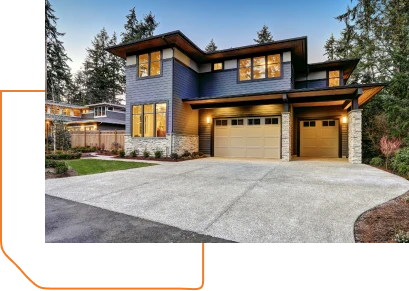
Standard vinyl siding keeps the weather out. Insulated vinyl siding keeps the heat in. Hamilton Exterior Renovations installs foam-backed vinyl siding across Calgary that adds continuous insulation, flattens wavy walls, shrugs off hail and makes your furnace work less from October to April.
Calgary siding contractor · Free on-site estimates · Financing available · Manufacturer-certified installation · Hail damage specialists
Insulated vinyl siding is standard vinyl siding with a rigid expanded polystyrene (EPS) foam panel permanently bonded to the back of each plank. The foam is contoured to match the profile of the siding, so it sits flush against the wall and fills the air gap that normal hollow-back vinyl leaves behind.
That foam layer does three jobs at once:
The result looks identical to premium vinyl siding Calgary from the curb. The difference is inside the wall, and you feel it on your energy bill.
Looking for standard vinyl instead? See our premium vinyl siding in Calgary, or compare every cladding option on our Calgary siding services page.
| Standard vinyl siding | Insulated vinyl siding | |
|---|---|---|
| Backing | Hollow | Bonded EPS foam |
| Added R-value | ~R-0.6 | R-2 to R-3 (continuous) |
| Thermal bridging | Not addressed | Reduced; foam covers studs |
| Impact / hail resistance | Good | Up to 3× higher; foam absorbs impact |
| Panel rigidity | Can wave or oil-can on uneven walls | Stays flat; hides sheathing imperfections |
| Noise reduction | Minimal | Noticeable; foam dampens airborne sound |
| Panel thickness | 0.040″–0.046″ | 0.044″–0.050″ plus 1″–1.25″ foam |
| Installed cost (Calgary) | $ | $$ (roughly 20–40% more) |
| Best for | Budget re-sides, rentals, garages | Primary residences, older homes, north/west exposures, homes near major roads |
For most Calgary homeowners replacing siding on a home they plan to keep, yes. Here’s the math behind that.
Calgary sits in Climate Zone 7A under the National Building Code. We average more than 5,000 heating degree-days a year, with January lows that regularly hit -30°C. Exterior walls are where a large share of a home’s heat loss happens, and in a typical 1970s to 1990s Calgary bungalow or two-storey, the wall insulation is R-12 to R-20 batts interrupted every 16 inches by a wood stud that conducts heat straight through. Adding R-2 to R-3 of continuous foam outside the sheathing cuts that bridging and raises the effective R-value of the whole wall by more than the foam’s nominal rating alone.
Chinooks make it worse, not better. A 20-degree temperature swing in a few hours stresses siding and walls. Foam-backed panels expand and contract less visibly than hollow vinyl, so you see fewer gaps at the seams in January and fewer waves in July.
Hail. Calgary is one of the most hail-prone cities in Canada, and the August 2024 storm alone caused billions in insured damage, much of it to siding. The foam backing on insulated vinyl absorbs impact instead of letting the panel flex and crack. If you’ve filed one hail claim on your siding already, insulated vinyl is the upgrade that makes the next storm an inconvenience instead of a claim.
Where it pays back fastest:
Where it isn’t: detached garages, sheds, or a house you’re selling within a year. In those cases our premium vinyl siding is the better spend.
The continuous foam layer reduces heat transfer through the wall and seals the convective air gap behind the siding. Homeowners who add continuous exterior insulation during a re-side commonly report a measurable drop in winter gas use, with the biggest gains on older homes with thin batt insulation.
Foam backing supports the vinyl panel from behind. A hailstone that would crack hollow vinyl is absorbed and spread across the foam. This is the single most common reason Calgary homeowners choose insulated over standard vinyl.
EPS foam is a sound absorber. Insulated siding reduces airborne noise through the wall, which you notice most on bedrooms facing a road or a neighbour's driveway.
Hollow vinyl telegraphs every dip in old sheathing. The rigid foam bridges those imperfections, so the finished wall reads as flat and the shadow lines stay crisp. On older homes this is often the difference between siding that looks new and siding that looks like vinyl.
Rooms stay closer to the thermostat setting because the walls hold temperature better. Your furnace and air conditioner cycle less, which extends their life.
Buyers and home inspectors recognize insulated siding as an energy upgrade. It is a line item on a listing sheet that standard vinyl is not.
Same as standard vinyl: no painting, no staining, no rot. Rinse it with a hose.
Insulated siding only performs if it’s installed properly. Foam that’s gapped, panels that are over-nailed, or house wrap that’s skipped will cost you the energy savings you paid for. Here’s how we do it.
Most Calgary homes take 3 to 7 working days depending on size and weather. We install year-round; cold-weather installs follow manufacturer temperature guidelines.
We inspect sheathing, existing insulation, moisture problems, and areas of visible heat loss. We photograph everything and give you a written scope.
Old siding comes off completely. We replace rotten sheathing, repair flashing at windows and doors, and install a new weather-resistive barrier so the wall can dry if it ever gets wet.
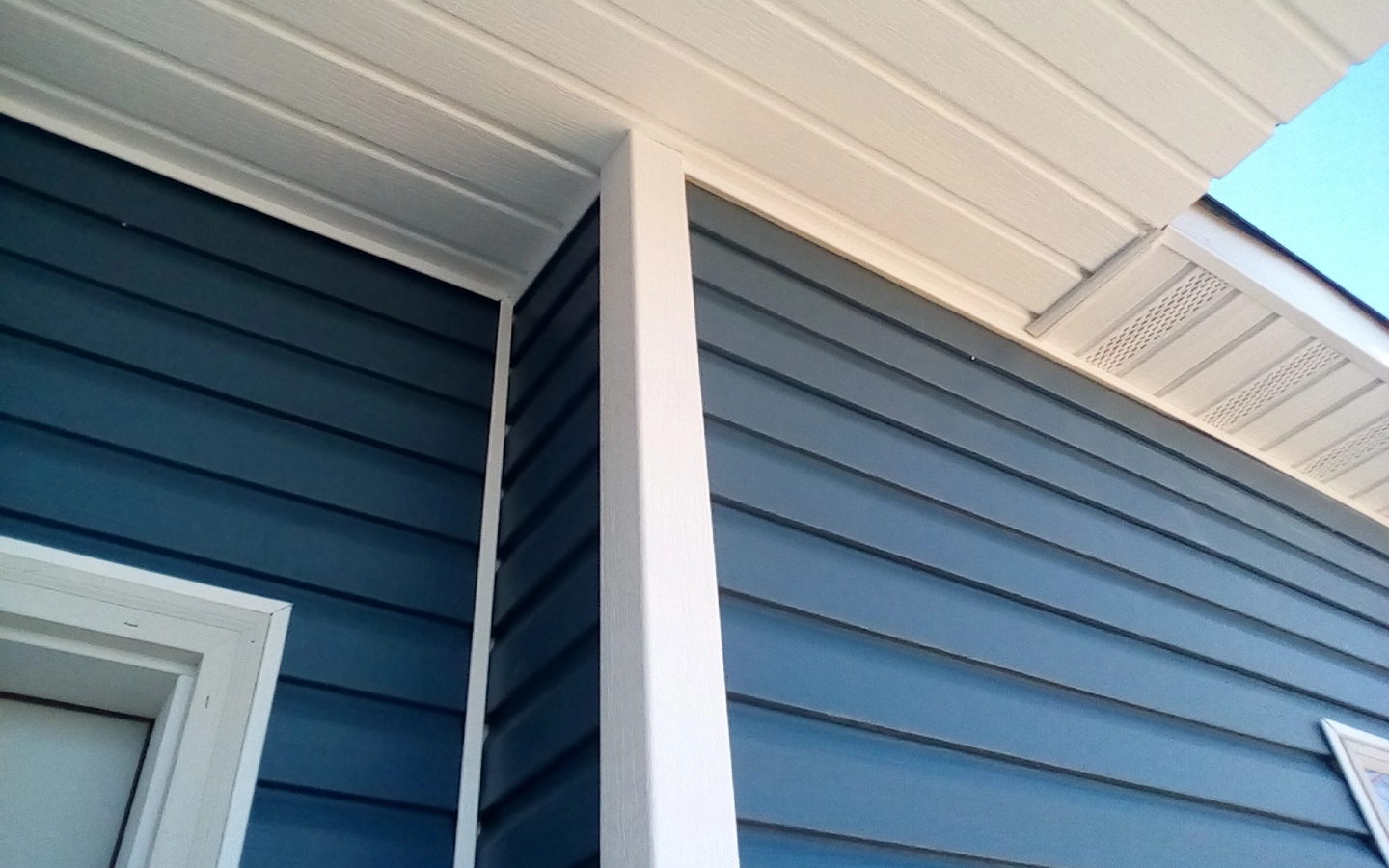
J-channel, starter strips, corner posts and window trim are set first so every panel terminates cleanly and water is directed out, not in.
Insulated panels are hung with the correct nailing gap so they can move with Calgary's temperature swings without buckling. We stagger seams and align shadow lines across the whole elevation.
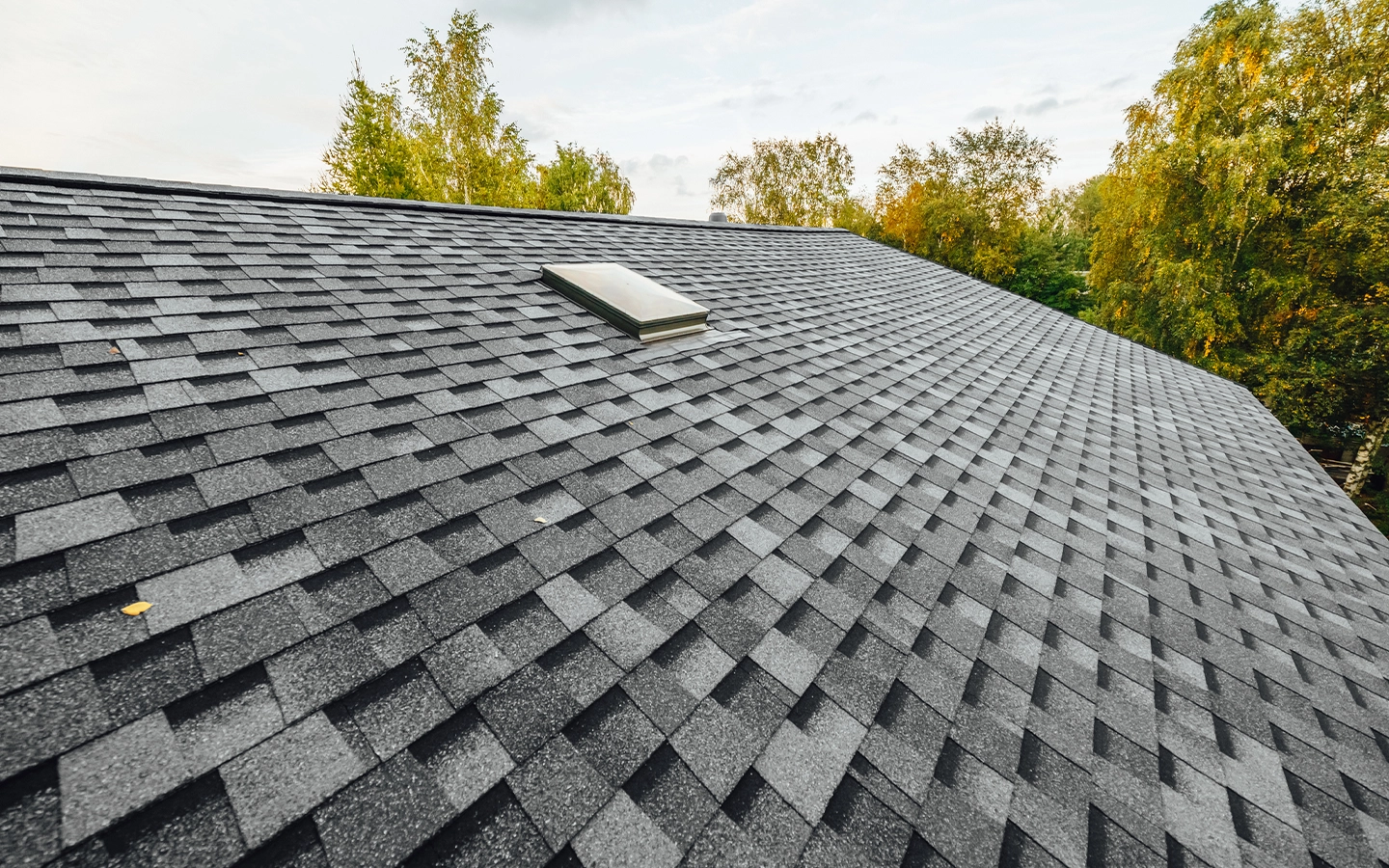
Finished as part of the same job so the roofline matches the walls.
We walk the house with you, address anything you see, and hand over your warranty documents.
Two-storey and walkout homes need more scaffolding time.
Board-and-batten, Dutch lap and wider planks cost more than double-4 clapboard.
Dark and premium colour lines carry a surcharge.
Rotten sheathing, old stucco removal or asbestos-era materials add tear-off cost.
We quote these as a package so there are no surprises.
If hail damage is involved, we work directly with your adjuster. Insurers frequently approve insulated vinyl as a like-for-like replacement when the home previously had it, and some will cover the upgrade cost when it reduces future claims.
[CLIENT TO CONFIRM RANGE] Installed insulated vinyl siding in Calgary typically runs $X to $Y per square foot, or roughly $XX,000 to $YY,000 for an average two-storey home, including tear-off, house wrap, trim, soffit and fascia. Expect it to cost 20–40% more than standard premium vinyl on the same house.
What drives the price is listed alongside.
Financing: Hamilton offers financing for siding projects so you can spread the upgrade over monthly payments that are often smaller than the energy savings they create.
Get a Written Insulated Siding Quote →
For installed prices by material and the factors that move a quote, see our 2026 Calgary siding cost guide.
[CLIENT TO CONFIRM — delete brands not carried; each listed brand should link to its manufacturer page.]
Every brand we install carries a manufacturer’s limited lifetime warranty on the panel and foam, plus Hamilton’s own workmanship warranty [CLIENT: specify years]. We’ll show you physical samples at your estimate so you can feel the difference in rigidity yourself.
Canadian-made, EPS-backed, available in Gentek's full Alberta colour range. [LINK]
Canadian manufacturer; thick foam backing and a Dutch-lap option. [LINK]
Solid-core insulated vinyl with a lifetime limited warranty. [LINK]
Premium insulated line with wood-grain finish and deep colour options. [LINK]


Brandon Hamilton [CLIENT: confirm full name] is on site and reachable throughout your project.
We've re-sided hundreds of Calgary homes after storms and know how to work with every major insurer's adjusters.
Siding, roof replacement, windows and doors, soffit, fascia and eavestrough from one crew, so nothing falls between contractors.
Itemized pricing, product samples, and a timeline you can hold us to.
Browse the project gallery to see completed siding projects across Calgary.
Most insulated vinyl siding adds R-2 to R-3 of continuous insulation. The exact figure depends on foam thickness and the brand; we’ll confirm the rating for the product you choose.
Usually, yes, on a primary residence you plan to keep. Calgary’s long heating season, chinook temperature swings and hail frequency all favour foam-backed siding. It isn’t worth it on garages, sheds or a home you’re selling within a year.
No. It adds a continuous exterior layer on top of your existing batt or blown-in insulation. The two work together; the foam reduces heat loss through the studs that cavity insulation can’t address.
It performs far better than hollow vinyl because the foam supports the panel and absorbs impact. No cladding is hail-proof, but insulated vinyl is one of the most impact-resistant options available at its price.
In most cases we recommend full tear-off so we can inspect the sheathing, fix moisture issues and install new house wrap. Installing over old siding can trap problems and void manufacturer warranties.
Hardie is heavier, non-combustible and offers a more authentic wood look, but it has no insulating value on its own and costs more installed. Insulated vinyl is lighter, warmer and lower-cost. See our James Hardie siding in Calgary page to compare.
30 to 50 years with minimal maintenance. Manufacturer warranties are typically limited lifetime on the panel.
Yes. We document the damage, prepare the scope for your adjuster, and handle the replacement from tear-off to final inspection.
Insulated vinyl siding is the one exterior upgrade that pays you back every winter. Get a free on-site estimate with product samples, itemized pricing and a timeline.
Request a Free Quote · Call 587-318-0864 · info@hamiltonexteriors.ca
Serving Calgary and surrounding communities including Airdrie, Cochrane, Chestermere, Okotoks and Strathmore. [CLIENT: confirm service area]