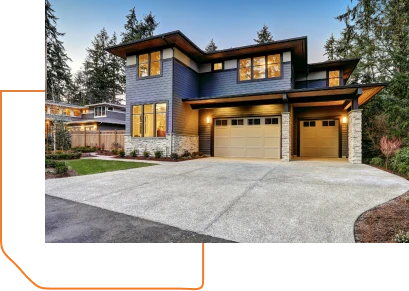
Hardie Board is the common name for James Hardie fibre cement siding.
Hamilton Exterior Renovations installs James Hardie fibre cement siding on homes in Calgary, Airdrie, Cochrane, Okotoks and Chestermere. James Hardie’s HZ5 product line is engineered for climates with freezing temperatures, seasonal temperature swings, snow and ice, which is why we specify it for Calgary. Every James Hardie installation is backed by our 10-year workmanship warranty, in addition to James Hardie’s product warranty. Call 587-318-0864 to request a James Hardie quote.

James Hardie siding is fibre cement cladding made from Portland cement, sand and cellulose fibre. The material is manufactured by James Hardie Building Products and sold in Canada as a family of siding, trim and soffit products for exterior walls.
“Hardie Board” is the informal name most homeowners use for any James Hardie fibre cement siding. It is not a single product. Within the James Hardie range, HardiePlank is the horizontal lap-siding product, HardiePanel is the vertical panel product and HardieShingle is the fibre cement shingle product. When Calgary homeowners ask for Hardie Board, they are usually picturing HardiePlank lap siding, but the term covers the whole fibre cement line.
James Hardie fibre cement siding is a dense, rigid board. Because the material is cement-based, it is non-combustible and does not soften in heat or become brittle in cold the way thermoplastic siding can. Those two properties are the reason James Hardie siding is specified for hail-exposed, freeze-thaw climates such as Calgary.
For a comparison of all three siding systems we install, see our Calgary siding services page.
Hamilton Exterior Renovations installs James Hardie’s HZ5 product line, which is the James Hardie range specified for cold, wet and freezing climates in Canada. The products below are the ones we use on Calgary homes.
HardiePlank is James Hardie’s horizontal lap siding and the product most Calgary homeowners mean when they say Hardie Board. It is installed as overlapping horizontal boards and is available in smooth and wood-grain (Cedarmill) textures. HardiePlank is the primary product on most of our James Hardie projects.
HardiePanel is James Hardie’s large-format vertical panel siding. It is used for board-and-batten exteriors, modern flat-panel designs and gable accents, and it is often paired with HardieTrim battens. HardiePanel is available in smooth, stucco and wood-grain textures.
HardieShingle is James Hardie’s fibre cement shingle product. It replicates cedar shingles and is typically used on gables, dormers and feature walls rather than whole elevations. HardieShingle is available in straight-edge and staggered-edge panels.
HardieTrim is James Hardie’s fibre cement trim board, used for corners, window and door surrounds, frieze boards and battens. Using HardieTrim with HardiePlank keeps the whole exterior in one material with matching finish and warranty coverage.
HardieSoffit is James Hardie’s fibre cement soffit panel, available vented and non-vented. We install it where a homeowner wants the eaves to match the siding rather than using aluminum soffit.
ColorPlus Technology is James Hardie’s factory-applied, baked-on finish. Colour is applied to the board in the factory under controlled conditions rather than painted on site, and James Hardie designs the finish to help maintain colour consistency and resist UV exposure, chipping and cracking. ColorPlus finishes carry James Hardie’s 15-year limited finish warranty. James Hardie also sells primed product for site painting; we recommend ColorPlus for Calgary because of UV exposure and the short outdoor painting season. Product availability, colours and textures vary by region; we confirm current Western Canada stock during your estimate.
Calgary sits in “hail alley”, the region that sees the most hail in Canada according to the City of Calgary. James Hardie states that its fibre cement siding resists the impact of hail and windblown debris. Fibre cement is a dense, rigid material designed to withstand impact better than many lighter siding products. Severe hail can still mark any exterior; if it does, individual James Hardie boards can be replaced without re-siding the wall.
James Hardie’s HZ5 products are engineered to reduce water absorption and to help resist damage from wet or freezing conditions. James Hardie describes HZ5 as designed to resist shrinking, swelling and cracking after years of wet or freezing exposure, and HZ5 boards include a drip edge for improved water management.
Chinook winds can move Calgary from deep cold to above freezing within hours, then back again. Fibre cement has a low rate of thermal expansion compared with vinyl, so James Hardie boards move less with temperature than thermoplastic siding and do not become brittle in cold.
James Hardie fibre cement siding is non-combustible and complies with ASTM E136 as a noncombustible material. James Hardie states the siding will not ignite when exposed to a direct flame and will not contribute fuel to a fire. Fibre cement is not “fireproof”: the finish can scorch, and windows, soffits and roofing also determine a home’s overall fire exposure.
Calgary’s elevation and sunshine hours give exteriors high UV exposure. ColorPlus Technology finishes are factory-applied and baked on, and James Hardie designs them to help resist UV fading, chipping and peeling. The finish is backed by James Hardie’s 15-year limited finish warranty.
James Hardie siding in Calgary typically costs approximately $40,000-$55,000 installed for an average two-storey home when installed by Hamilton Exterior Renovations. By comparison, our premium vinyl siding installations on the same size of home typically fall between $19,000 and $27,000. James Hardie is the higher-cost material because the boards are heavier, require specialist fibre-cement handling and fastening, and take longer to install than vinyl.
The final price of a James Hardie project depends on:
We quote every James Hardie project from a site assessment, not per square foot over the phone, because the variables above move the price by tens of thousands of dollars. Financing through Financeit is available for James Hardie projects — see exterior renovation financing.
James Hardie fibre cement and vinyl are the two siding materials most Calgary homeowners compare. The table sets out the factual differences; we install both, and we recommend vinyl on many homes.
| Factor | James Hardie fibre cement | Vinyl siding |
|---|---|---|
| Material | Fibre cement (Portland cement, sand, cellulose fibre) | PVC-based thermoplastic |
| Fire | Non-combustible; complies with ASTM E136 | Thermoplastic; can melt or deform under heat exposure |
| Cold / wet climate | HZ5 line engineered for freezing, wet and variable climates | Depends on panel gauge, product and installation; becomes brittle in deep cold |
| Hail | Dense, rigid board; James Hardie states it resists the impact of hail | Lighter panel; premium and insulated vinyl improve impact performance |
| Finish | ColorPlus factory-applied, baked-on finish; 15-year limited finish warranty | Colour integral to the panel; fade warranty varies by manufacturer |
| Product warranty | 30-year non-prorated limited substrate warranty | Varies by manufacturer and product line |
| Weight and installation | Heavier; fibre-cement cutting, dust control, corrosion-resistant fasteners and product-specific flashing | Lighter; hung on a nailing hem with expansion clearance |
| Typical Hamilton Exterior Renovations budget (two-storey) | ≈ $33,000–$50,000 | ≈ $19,000–$27,000 premium vinyl |
Choose James Hardie if the home is in a heavy-hail part of the city, if non-combustible cladding matters, or if you want a factory finish. Choose vinyl if budget is the priority or the home sits outside the worst hail exposure. See our premium vinyl siding and insulated vinyl siding pages.

Heavy-hail parts of the city, homes where non-combustible cladding matters, and homeowners who want a factory ColorPlus finish rather than site painting.
Budget-led re-sides and homes outside the worst hail exposure. Premium and insulated vinyl are covered on their own pages.
Hamilton Exterior Renovations installs James Hardie siding to James Hardie’s current HZ5 installation guidance, with Brandon Hamilton directly involved from the first site assessment through the final walkthrough. The sequence on a typical re-side is:
Project duration. Project duration depends on the size and complexity of the home, removal requirements, weather and any substrate repairs discovered after the existing siding is removed.
Brandon Hamilton reviews the existing siding, trim, flashing and any visible moisture damage, and prepares a written estimate from the site visit.
Existing siding comes off, sheathing is inspected and repaired, and the water-resistive barrier and flashing are installed before any James Hardie board goes on.
Fastening, clearances, trim and sealants follow James Hardie’s current HZ5 installation requirements, which is what keeps the manufacturer warranty and our 10-year workmanship warranty both in force.

James Hardie siding products carry a 30-year, non-prorated, transferable limited substrate warranty. ColorPlus Technology finishes carry a separate 15-year limited finish warranty covering peeling, cracking and chipping of the factory finish. HardieTrim boards carry a 30-year non-prorated limited warranty
Hamilton Exterior Renovations backs every James Hardie installation with a 10-year workmanship warranty. It covers the installation itself: fastening, flashing, sealing and trim detailing. It is separate from, and in addition to, James Hardie’s product warranty. Because the product warranty depends on correct installation, installing to the manufacturer’s guidance protects both warranties.

James Hardie’s HZ5 Care and Maintenance Guide recommends washing the siding with a garden hose or low-pressure spray every 6 to 12 months; use water, mild detergent and a soft brush for stubborn dirt. Do not pressure-wash: James Hardie states high-pressure water will damage the surface of fibre cement.
Re-apply caulking at joints and openings when it shows signs of wear. Keep gutters and flashing directing water away, and maintain a 6-inch clearance to grade and 2 inches to decks, roofs and hard surfaces. Keep sprinklers and de-icing salts off the siding.
Photograph any marks after hail and contact us; individual boards can be replaced. Small ColorPlus chips can be touched up above 4°C; areas larger than a dime should be addressed by replacing the board. Repainting ColorPlus before the 15-year finish warranty expires voids that warranty.
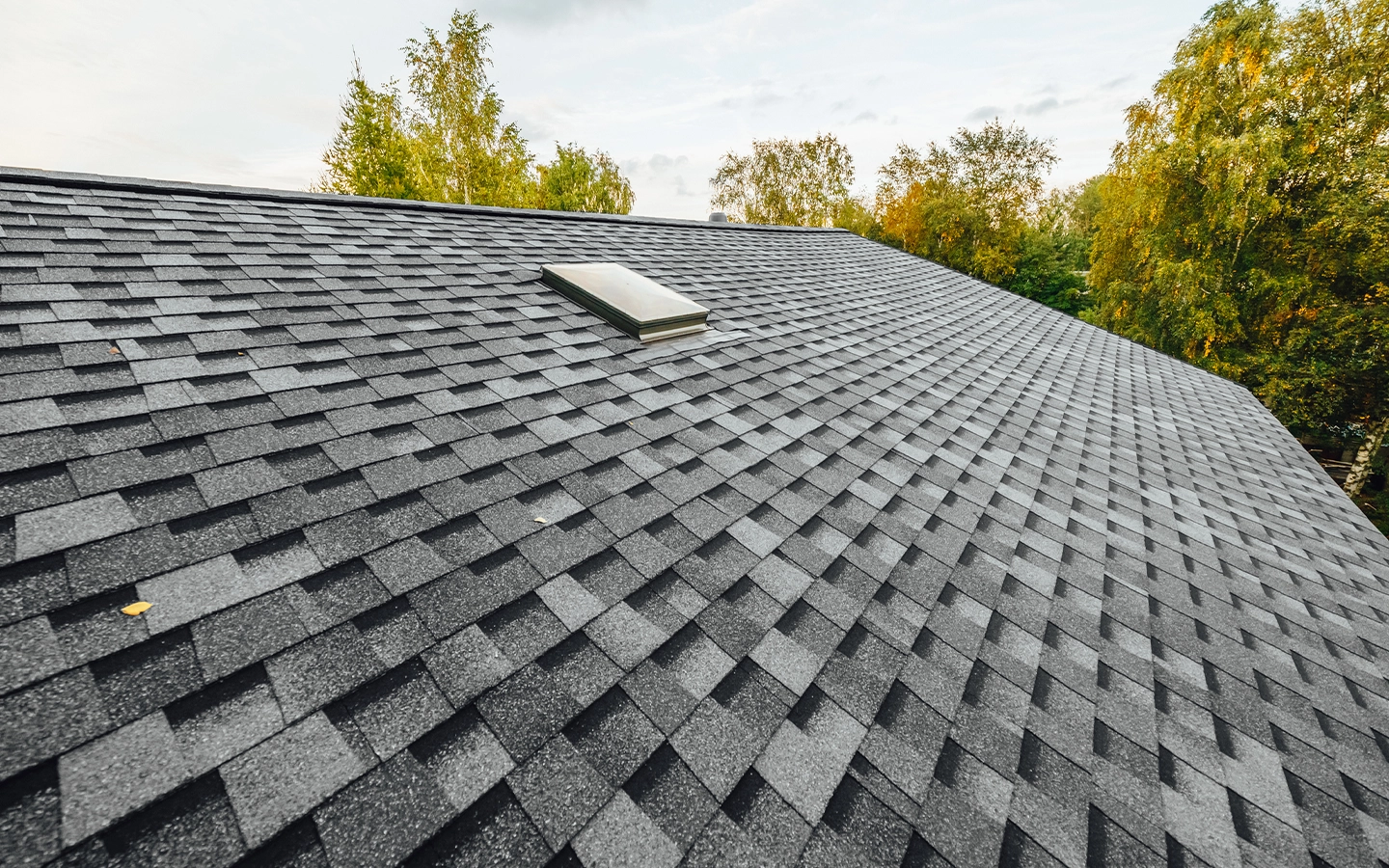

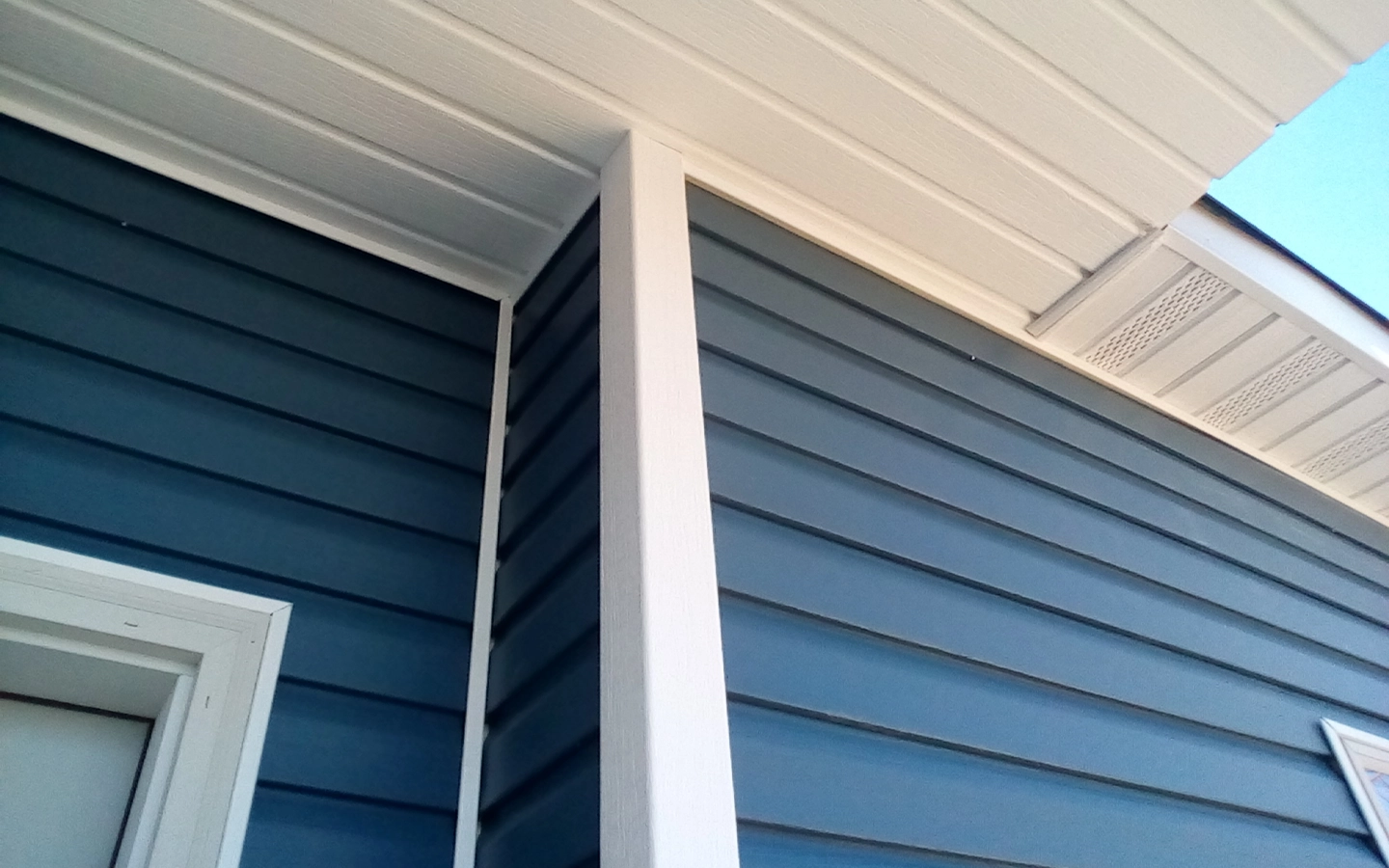

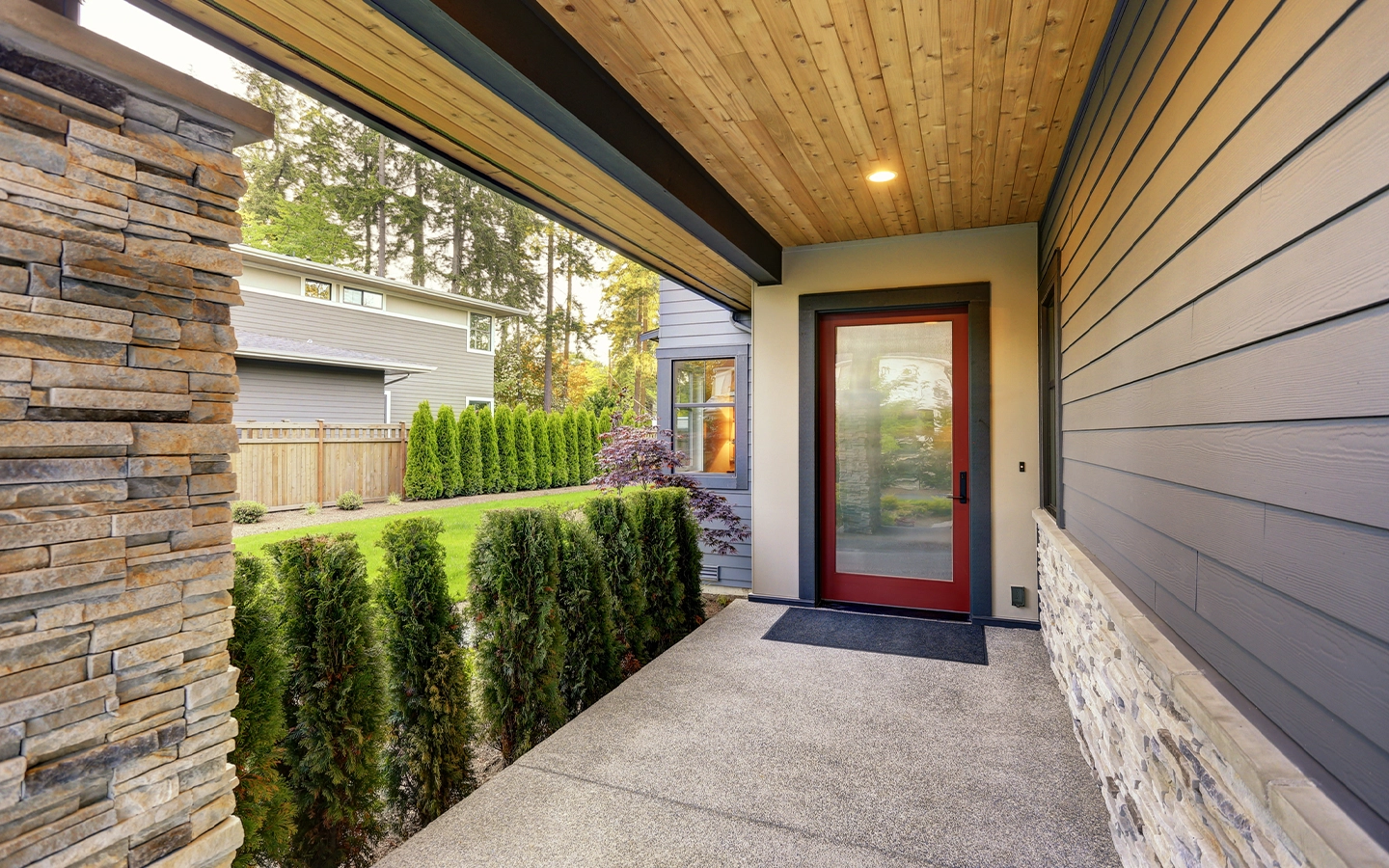
Hardie Board is the common name for James Hardie fibre cement siding. It is not one product: James Hardie’s range includes HardiePlank lap siding, HardiePanel vertical siding and HardieShingle, plus HardieTrim and HardieSoffit. Most people who ask for Hardie Board are picturing HardiePlank, the horizontal lap-siding product.
James Hardie siding typically costs approximately $33,000 to $50,000 installed on an average two-storey Calgary home with Hamilton Exterior Renovations. The range depends on house size, storeys, corners and gables, the number of openings, whether stucco or vinyl is being removed, substrate repairs, the trim package and whether ColorPlus or primed board is used. We price from a site assessment.
James Hardie states that its fibre cement siding resists the impact of hail and windblown debris. Fibre cement is a dense, rigid board that stands up to impact better than many lighter siding products, which is why it is the material we recommend for Calgary’s heaviest hail areas. Severe hail can still mark any siding; if it does, individual James Hardie boards can be replaced rather than re-siding the wall.
HZ5 is the James Hardie product line engineered for climates with freezing temperatures, seasonal temperature variations, snow and ice. HZ5 boards are formulated to reduce water absorption and help resist shrinking, swelling and cracking in wet or freezing conditions, and they include a drip edge for water management. HZ5 is the James Hardie line sold and installed in Calgary.
Yes. James Hardie fibre cement siding is non-combustible and complies with ASTM E136 as a noncombustible material. James Hardie states it will not ignite when exposed to direct flame and will not contribute fuel to a fire. It is not fireproof: the finish can scorch, and the rest of the building envelope also affects fire exposure.
James Hardie is a fibre cement board; vinyl is a PVC-based thermoplastic panel. James Hardie is non-combustible, heavier, more rigid and more expensive to install; vinyl is lighter, lower-cost and can melt under heat or become brittle in deep cold. James Hardie carries a 30-year non-prorated substrate warranty and, with ColorPlus, a 15-year finish warranty; vinyl warranties vary by manufacturer. On our projects James Hardie typically costs roughly 1.5 to 2 times the installed price of premium vinyl.
Yes. Replacing vinyl with James Hardie is one of the most common siding replacement projects we do in Calgary. The vinyl is removed, the sheathing is inspected and repaired where needed, a water-resistive barrier and flashing are installed, and the James Hardie boards and trim go on. Because James Hardie is heavier and thicker than vinyl, trim, window returns and some flashing details change, which is part of the estimate.
Two warranties apply. James Hardie provides a 30-year, non-prorated, transferable limited substrate warranty on the siding, and a 15-year limited finish warranty on ColorPlus Technology finishes. Hamilton Exterior Renovations adds a 10-year workmanship warranty on the installation. Manufacturer coverage depends on installation and maintenance in accordance with James Hardie’s requirements.
James Hardie siding can be installed in cold conditions when James Hardie’s installation requirements, sealant and touch-up temperature requirements and safe working conditions are met. Fibre cement does not become brittle in cold the way vinyl does, but sealants and touch-up coatings have minimum application temperatures (James Hardie’s touch-up requires air and board temperatures above 4°C). We schedule James Hardie work around Calgary’s cold snaps rather than through them.
Fibre cement is not a food source for insects and does not rot the way wood does. James Hardie states its siding holds little appeal for woodpeckers, termites and wood-boring insects. Moisture management through flashing, clearances and caulking is still required to protect the wall behind the siding.